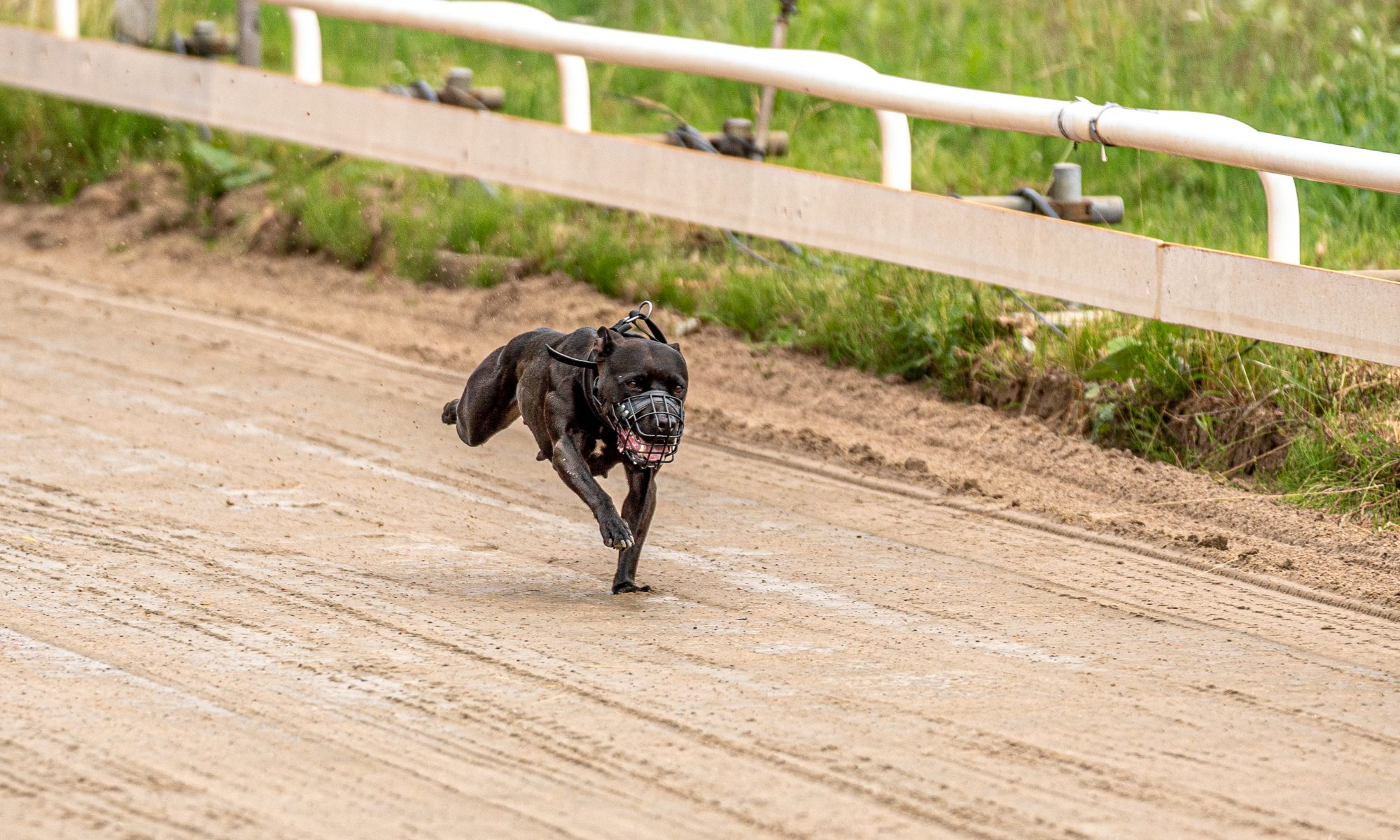

The Staffordshire Bull Terrier: A Breed Forged in History and Purpose
The Staffordshire Bull Terrier, affectionately known as the “Staffie,” is a breed steeped in rich history and tradition. Emerging from the industrial heartlands of 19th-century England, the breed was born out of necessity, purpose, and the human desire to create the ultimate working dog. Its evolution is a reflection of the times, adapting to changing societal values while holding steadfast to its core traits: loyalty, courage, and intelligence.
Origins: A Fusion of Strength and Tenacity
The Staffordshire Bull Terrier originated from the crossing of bulldogs and terriers. This deliberate blend aimed to create a dog with the bulldog’s raw power and resilience combined with the terrier’s agility and tenacity. The result was a breed uniquely suited to the challenges of bull-baiting, dog fighting, and badger hunting—brutal pastimes of the era. These early Staffords were bred not only for their physical capabilities but also for their mental sharpness and determination, traits that would define the breed for generations.
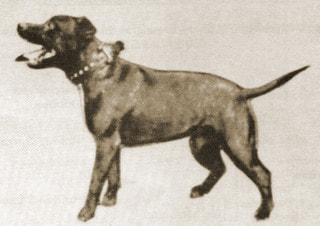
Unlike many modern examples of the breed, the original Staffords were leaner and more athletic. They had longer legs, functional snouts, and compact, muscular bodies built for endurance. These dogs were not bred for exaggeration but for performance, embodying a delicate balance of power, agility, and grit.
The Evolution of the Breed
The outlawing of blood sports in the 1830s marked a turning point for the Staffordshire Bull Terrier. As society moved away from these cruel entertainments, the role of the Stafford began to shift. The breed’s legendary loyalty and gentleness with humans, especially children, made it an ideal candidate for family life. Over time, breeders began to focus more on the Stafford’s temperament, ensuring it could transition from the pits to the parlor.
By the early 20th century, key figures like Joe Mallen, Joe Dunn, and Jack Barnard worked tirelessly to formalize the breed. Their efforts culminated in the recognition of the Staffordshire Bull Terrier by the UK Kennel Club in 1935. The first breed standard was heavily influenced by foundational dogs like Jim the Dandy and Gentleman Jim, emphasizing the balance of strength, soundness, and temperament that defined the breed.
A Tale of Two Types: Show Lines vs. Working Lines
As the breed gained popularity in the show ring, its appearance began to evolve. By the 1970s, changes to the breed standard favored a shorter, more compact dog with a broader head and shorter snout. While visually striking, these changes often came at the expense of the breed’s original functionality. Critics like Ken Davies and Fred Phillips voiced concerns about the divergence from the breed’s athletic roots, warning that prioritizing aesthetics over capability could compromise the breed’s essence.
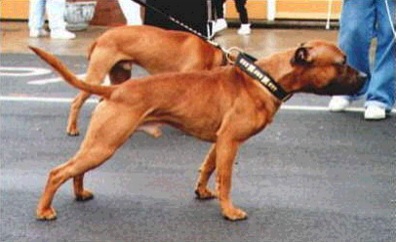
Despite this shift, there have always been breeders dedicated to preserving the original working type of Staffordshire Bull Terrier. These “working lines” maintain the breed’s traditional structure and temperament, emphasizing physical soundness, endurance, and mental sharpness. Among the most notable working strains are the Dublin Red, Northford/Psycho, and Faranee/Evergreen lines.
Notable Working Lines: A Tribute to the Stafford’s Origins
The Dublin Red Strain
The Dublin Red strain is a cornerstone of the Stafford’s working heritage. Developed by Willie Delaney in the mid-20th century, this strain is rooted in dogs like Brindle Devil and Battling Duchess. Known for their strength and determination, these dogs were bred for demanding tasks such as badger hunting and trials. Descendants like Red Commando and CH. Red Warrior carried on the line’s legacy, demonstrating the physical and mental traits that defined the original Stafford.
The Northford/Psycho Line
The Northford/Psycho line is another testament to the breed’s working roots. Originating with Glenstock Glenagow and later shaped by dogs like The Great Geronimo and CH. Psycho, this line underscores the Stafford’s capacity for hard work and gameness. While not all dogs in this line are purebred Staffords, their inclusion reflects a commitment to function and performance. The line has produced countless exceptional dogs, ensuring its lasting impact on the breed.
The Faranee/Evergreen Strain
The Faranee/Evergreen strain, founded by the Flynn brothers, is renowned for its gameness and stamina. Dogs like Brindle Tiger and Cork Rose exemplify the athleticism and drive of early Staffords. This strain has influenced other notable lines, preserving the breed’s working spirit and ensuring its legacy endures.
Challenges of Modern Breeding
The transition from working dog to show dog has brought challenges. Selective breeding for exaggerated traits—such as wider heads, shorter legs, and heavier builds—has, in some cases, compromised the breed’s original functionality. These changes have not only affected the Stafford’s physicality but also its mental attributes. Modern Staffords are often described as friendly and submissive, traits that align with their role as companions but may lack the spark and tenacity of their working ancestors.
It is crucial for breeders to strive for balance, retaining the breed’s gentle temperament while preserving its robust, athletic frame. By honoring the Stafford’s working heritage, we can ensure that the breed remains true to its origins.
Misconceptions About “Irish Staffords”
The term “Irish Stafford” is often used to describe leaner, more athletic working-line Staffords. However, it is important to clarify that all Staffordshire Bull Terriers, regardless of type, originate from England. While the term highlights the differences between working and show lines, it does not denote a separate breed. The so-called “Irish Staffords” are simply a continuation of the original working type, emphasizing functionality over appearance.
Legacy and Future: Honoring the Stafford’s Heritage
The Staffordshire Bull Terrier’s story is one of resilience and adaptability. From its origins as a fighter and hunter to its modern role as a beloved family companion, the breed has retained its core qualities of loyalty, courage, and intelligence. Yet, the challenges of modern breeding and the loss of working lines call for a renewed focus on preserving the breed’s heritage.
Efforts to maintain working lines, like the Dublin Red and Faranee strains, remind us of the Stafford’s original purpose and capabilities. These dogs, built for performance rather than aesthetics, embody the essence of the Staffordshire Bull Terrier—an athletic, tenacious, and loyal companion.
By celebrating its history and striving for balance, we can ensure that the Staffordshire Bull Terrier continues to thrive, not just as a showpiece but as a true working breed. Its legacy is a testament to the strength, spirit, and versatility of a breed that has stood the test of time.



 Rebel Offsprings